Overview
Colombia is a land of contrasts and intrigue that is off the travel agendas of those who consider it too dangerous and uncertain. But go and buy a drink at a bar to any well-traveled traveler and they will likely agree on their favorite South American country – Colombia, where Gabriel Garcia Marquez’s magical realism lives on in all its glory. The deep affection that many feel for Colombia is not surprising when you consider the vast array of wonders that can be found within the borders of one South American country. The icy Andes Mountains, the Amazon rainforest, the magnificent shores of the Atlantic and Pacific Oceans, Inca archaeological sites, colonial history and thriving pre-Columbian indigenous cultures – all wrapped up in the passionate salsa music that surrounds them. Not to mention one of the friendliest and most hospitable people on the planet – a people who are proud to share the charms of their country with visitors and in this way dispel stereotypes. Our packed itinerary includes plenty of exciting nature and many of the attractions of this colorful country: the metropolis of high culture and fashion, Bogota, colonial cities, the historic Lost City, and the alluring lullaby of the Caribbean in Cartagena. Think of this trip as an introduction to the charms of Colombia, which will undoubtedly convince you that the biggest risk in visiting Colombia is the desire to never leave. “It is not true that people stop dreaming because they grow old, but that they grow old because they stop dreaming.” – Gabriel Garcia Marquez.
Colombia is visa-free for Estonian passport holders.
Photos: Vaido Otsar, for the Albion trip in January 2022.
Highlights
- Plane tickets
- Meals specified in the program
- Transportation according to the program
Itinerary
Meeting at Tallinn Airport at 04:00 in the morning.
Flight LH885 Tallinn-Frankfurt 05.55-07.30
Flight LH542 Frankfurt-Bogota 13.55-19.25
We arrive in Bogota, the capital of Colombia, and head to the hotel to rest.
Bogota is located on a plateau surrounded by mountains at an altitude of 2,500 meters above sea level, just four degrees north of the equator. This combination of altitude and proximity to the equator gives Bogota a wonderful spring climate all year round. The mild climate makes Bogota one of the world's centers for rose growing - rows of greenhouses surround th
We start the morning with an introductory tour of the city of Bogota. First, we head to Bogota Park to learn about the immense diversity of Colombia's territory and to understand the complexity of the country's different regions, which are characterized by mountains and diverse ecosystems. Then we visit the local Distrito Chocolate chocolate factory, which is special in terms of its historical background and greater social purpose. Namely, the cocoa beans for the chocolate are supplied from the small village of Puna, north of Bogota, where farmers previously cultivated coca plants (from which cocaine was illegally produced) due to the Colombian armed conflict, and due to the illegal drug trade, violence and death were a daily reality for the villagers. At one point, however, the farmers decided to make a change and, with immense willpower, started growing cocoa instead of coca. This way, local cocoa farming also has a greater purpose as peacemakers in the community. Puna cocoa farmers sell their products not only to local shops and cafes, but also to the international market.
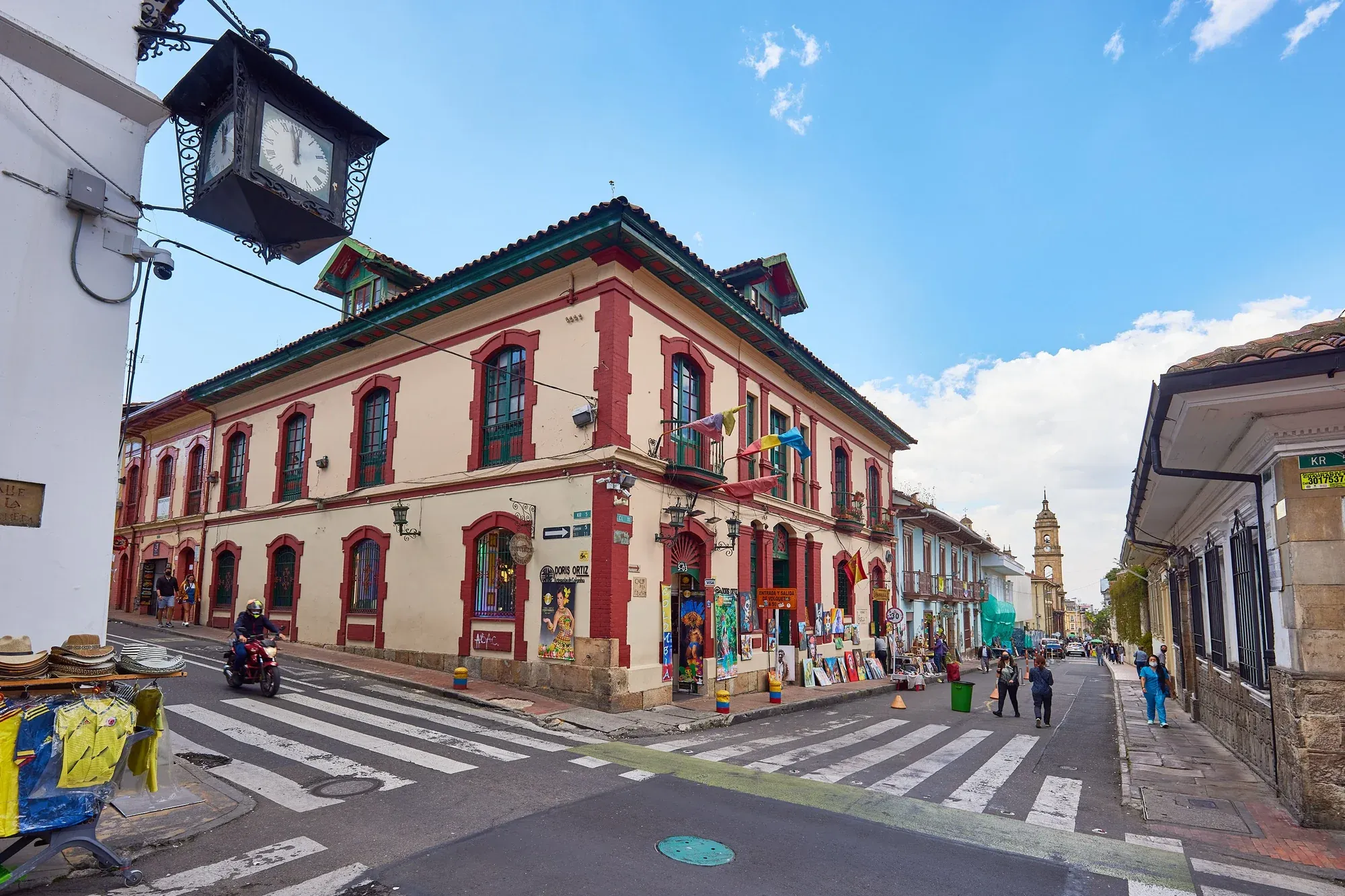
We will explore the historic city center of La Candelaria, where a local guide will explain the complex origins of the political and armed conflict in Colombia. We will visit the memorial for the victims of the war, which was established after the peace agreement between the Colombian government and the former leader of the FARC (Revolutionary Armed Forces of Colombia). We will then have lunch at a local restaurant.
With today's city tour, we have learned about the history and culture of Colombia, while supporting local communities and initiatives that create a more peaceful society in the country.
We head back to the hotel.
Meals: breakfast
Accommodation: Bogota Grand Hyatt 4*
Free day in Bogota.
Meals: breakfast
Accommodation: Bogota Grand Hyatt 4*
We drive to Bogota airport to fly to Santa Marta.
Domestic flight Bogota-Santa Marta.
Santa Marta was the first Spanish colonial settlement in Colombia, founded in 1525 by the Spanish conquistador Rodrigo de Bastidas. Santa Marta is also the oldest city in Colombia and the second oldest in all of South America. Uniquely located between the sea and the Sierra Nevada de Santa Marta mountain range, all the s'amarios ( locals) say they live in the most beautiful bay in the entire American continent. Without a doubt, Santa Marta stands out as one of the most unique destinations in Colombia - an authentic coastal colonial city surrounded by true natural diversity.
Today we will take a city tour of Santa Marta, starting with a visit to La Quinta de San Pedro Alejandrino, a historic site where the leader of the Latin American revolution, Simon Bolivar, died in December 1830. Born in Venezuela, Simon Bolivar led Venezuela, Bolivia, Colombia, Ecuador, Peru and Panama to independence from Spain. Bolivar thus earned the nickname El Libertador (The Liberator ).
The tour takes us through the sugar cane plantation of Don Joaquin de Mier, where we learn all about Simon Bolivar and the history of Colombia. Namely, Don Joaquin de Mier was a supporter of Colombian independence and invited Simon Bolivar to rest with him. Bolivar died of tuberculosis that same month, and in de Mier's house you can even see the bed where the 'Liberator' of Colombia spent his last days. We head to the center of the city of Santa Marta, where the oldest cathedral in Colombia is located. We walk through the old colonial center of the city, where the significance of historical events can be felt in the air - pirate attacks, the massacre of workers in the United Fruit Company (a US fruit export company) following a strike on banana plantations in 1928, the Tayrona Gold Museum, the Church of San Francisco, Simon Bolivar Park, the seaside promenade, the beach and the port.
Meals: Breakfast
Accommodation: Santa Marta Mercure Emile Hotel
Santa Marta is the starting point for one of the most special destinations of our trip, which is the Lost City (Ciudad Perdida) - in other words Teyuna. The hike takes us through the Sierra Nevada de Santa Marta mountains and indigenous lands. We only bring the essentials for three nights (including comfortable hiking shoes and clothes, sunscreen, water bottle) - preferably a comfortable backpack that we can carry ourselves. The average temperature in the area is 30C, the probability of precipitation is high and the humidity is high. Evenings can be cool, around 18-22C. We will be accompanied by a cook and local guides on the hike.
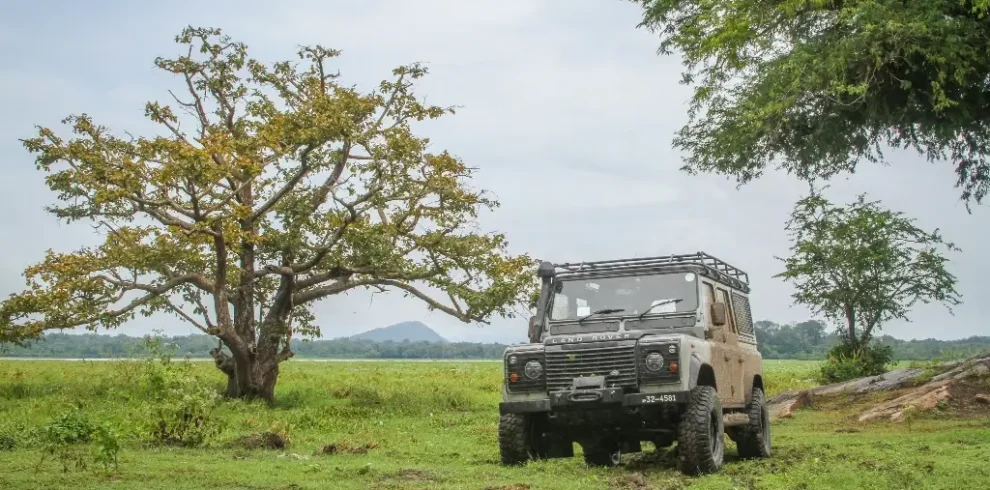
We start the first day of the trek with an adventurous drive to the small village of Mamey (by 4x4 vehicle; approx. 2h 30min). After lunch, we start a 3-hour hike to our first overnight stop. We gain a total of 520 meters of elevation along the hike. We make short rest and snack stops, admiring the surrounding nature. Upon arrival at the camp, we enjoy a candlelit dinner.
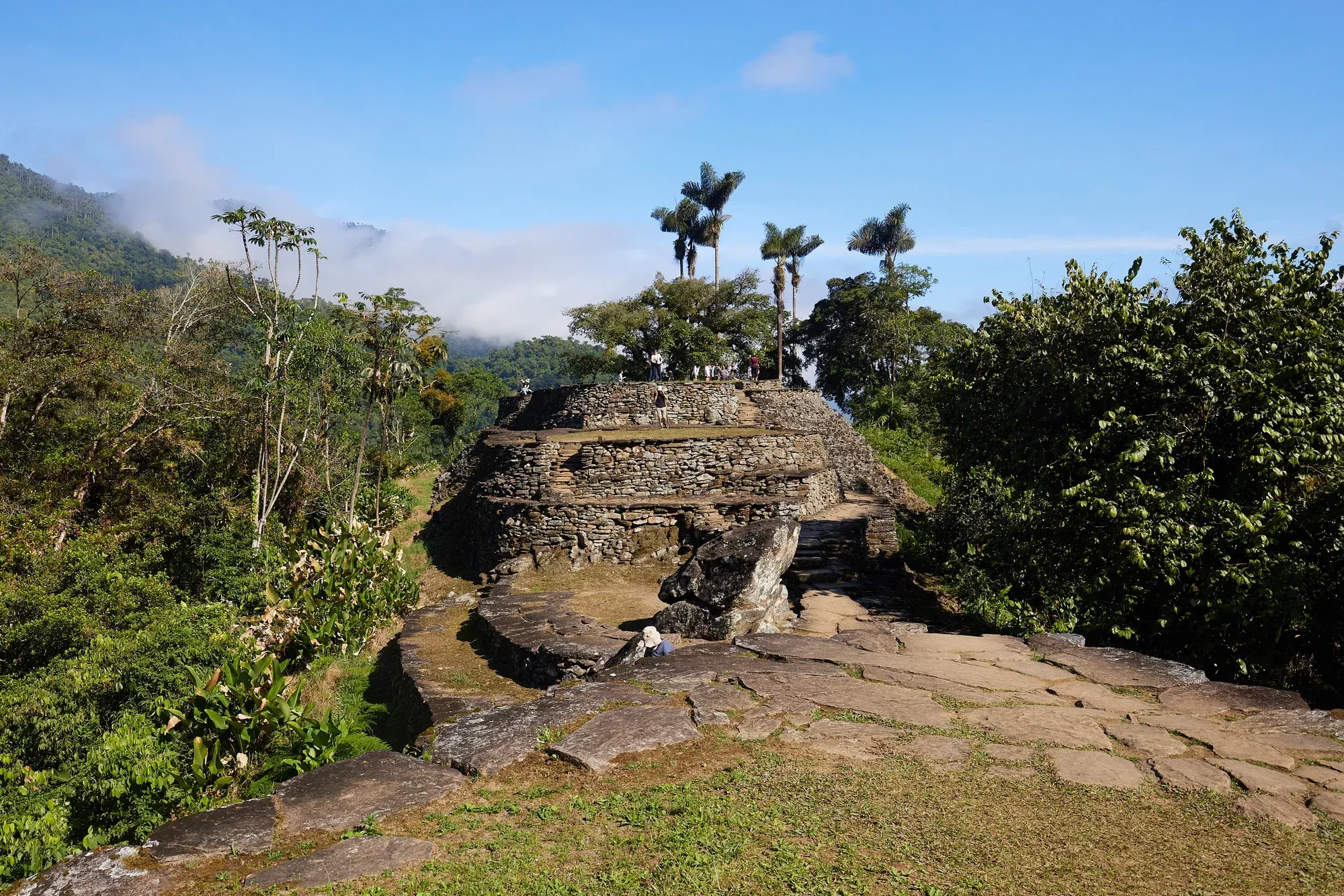
The Lost City of Teyuna is believed to have been founded as early as 800 BC by the indigenous Tairuna people. It is believed that the city was the political and industrial center of the region and may have had a population of 2,000-8,000. It was probably abandoned during the Spanish conquest. Teyuna is a sacred site for the local indigenous people and therefore we will follow our guide’s instructions to respect the privacy and customs of the locals.
Accommodation for the next three nights will be in the best local community-owned outdoor camps - depending on the location, these will be forest huts or hammocks. There will be basic washing facilities (cold water) and mosquito nets.
Meals: breakfast, lunch, dinner
Accommodation: tent camp
Today we wake up early and start our journey at around 6 am. We will have about 15 kilometers (8-9 hours) of lush wildlife and stunning landscapes ahead of us. After refreshing ourselves in the cooling waters of the Buritaca River, we will continue our hike. We will pass several Kogui indigenous villages and listen to our guide’s stories about local beliefs, traditions, and the history of the Sierra Nevada. At the end of the hiking day, we will reach the Paraiso Teyuna tent camp, located just about 1 hour from the Lost City, where we will spend our second night amidst the sounds of the jungle.
Meals: breakfast, lunch, dinner
Accommodation: tent camp
The highlight of our hike has arrived - today we reach Teyuna, or the Lost City. To do this, we climb 1,200 ancient steps and upon reaching the top, wonderful views of the Tairona cultural heritage open up to us - circular platforms and terraces built more than a thousand years ago, the archaeological ruins of which exude an ancient mystique. Throughout the trip, the guide will introduce us to the history of the Lost City and the legends associated with the place. Those who wish will have the opportunity to bathe in the 'well of youth' - a natural body of water that, according to legends, has healing effects. At the end of the tour, we head back to the Paraiso Teyuna camp, where we will have lunch and then begin the journey to our third overnight stay - the Wiwa forest house. The Wiwa tribe is one of the four local peoples who continue to live in the national park and are considered descendants of the Taironas.
Meals: breakfast, lunch, dinner
Accommodation: tent camp
Today is the last day of our magical nature trip. Early in the morning we wake up with nature and start walking (about 8-9 hours) back to the village of Mamey, where we started our hike. Upon arrival, 4x4 jeeps will be waiting for us, with which we will drive back to Santa Marta and from there to Palomino.
Meals: breakfast
Accommodation: Ecohotel Playa la Roca
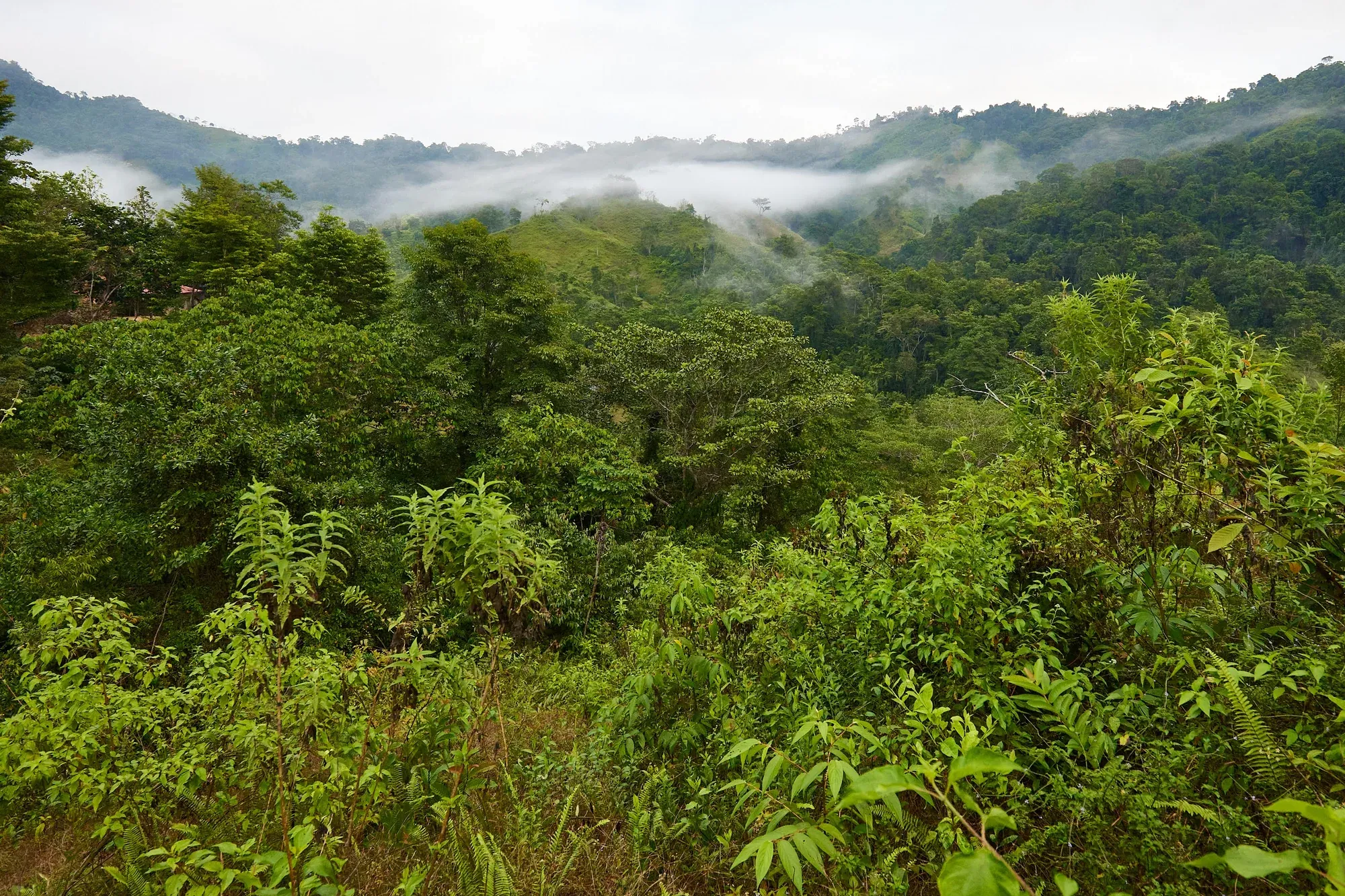
A day at the foot of the Sierra Nevada de Santa Marta mountain range in Tayrona National Park. Located just 42 kilometers from the Caribbean coast, the Sierra Nevada is one of the highest coastal mountain ranges in the world, with white sandy beaches at its foot. The tropical forest and the crystal blue Caribbean Sea make Tayrona National Park one of the most beautiful in Colombia. Several hiking trails lead through both rainforest and tropical rainforest in the park. There are several archaeological sites along the way.
From Santa Marta we drive (about 1 hour) along the picturesque coastal road until we reach the eastern entrance of the national park. We walk for an hour through the virgin forest until we reach Arrecifes beach, taking a break and refreshing ourselves in the cooling water. We continue our journey through Arenilla and Piscina beaches, finally reaching Cabo San Juan beach, where we will have time to relax in the turquoise water again. In the afternoon we head back (about 2 hours) to the starting point of the hike and drive back to Palomino.
Meals: breakfast
Accommodation: Ecohotel Playa la Roca
Today we drive along the coastal road to the town of Perico Aguao in the Magdalena region. Here we will be met by a local community leader and after a short introduction we will begin walking (2.5km, approximately 45 minutes) through the tropical forest, towards the coastal indigenous village of Katanazama, where the Kogi people live. Upon arrival, we will be introduced to village life, traditional buildings, as well as the food culture and traditions of the Kogi people. We will head to the plantations, getting to know local agriculture and tools.
The Kogi indigenous people - believed to number more than 10,000 - live in the foothills of the Sierra Nevada de Santa Marta mountain range in the Palomino, Don Diego, San Miguel and Ancho river valleys. They are considered descendants of the ancient Tayrona civilization and are called "elder brothers" by other locals who care for the cosmic balance of the Sierra and the world. The Sierra is considered by local culture to be the heart of the world and the basis of all life. The Kogi are therefore revered as the most invaluable ancestors on our planet.
Meals: breakfast
Accommodation: Ecohotel Playa la Roca
Today we leave Santa Marta and travel to Barranquilla. Barranquilla is a bustling port city on the Caribbean Sea, nicknamed the Golden Gate of Colombia due to its strategic location for the country's trade.
After exploring Barranquilla, we drive to Cartagena. Cartagena is located at the mouth of the wide Magdalena River, where it flows into the Caribbean Sea. The first signs of human settlement in the area date back to the Puerto Hormiga culture, around 7000 BC. The current Cartagena was founded in 1533 by Pedro de Heredia. The city quickly became the most important port in the Caribbean for the Spanish and the largest northern gateway to South America. As the Inca cultural heritage began to be exported to be loaded onto Spanish ships heading to the Old World, the city began to face problems, and Cartagena's solutions to these problems made it the unique city we see today. First, a great fire in 1552 forced the city leaders to create a law that only stone, brick and stone slabs were allowed as building materials. Thanks to this regulation, the city center has been preserved incredibly well and intact. The second and most serious problem that caused chaos in Cartagena was the city's ever-growing number of treasure chests, which made the city an extremely attractive target for the roving Caribbean pirates. The increasing piracy and attacks on the city (most notably by Sir Frances Drake in 1586) forced the Spanish to seek the help of European military architects to fortify the city. Work began in 1588, and an estimated 8,000 slaves toiled on the city's defenses. The fortifications were not officially completed until 1796, ironically just 25 years before Simón Bolívar declared the Republic of Colombia independent from Spain.
Cartagena is located on the Bocachica Strait, with the San Fernando Fort on one side and the San Jose Fort on the other. These coastal fortifications at the entrance to Cartagena's harbor were built by the Spanish between 1753 and 1760, and include their own harbors, barracks, medical facilities, a chapel, and even a prison. In Cartagena Bay is the Canal de Dique, a 115-kilometer-long slave-built canal that connects the Magdalena River to Cartagena.
Meals: breakfast
Accommodation: Cartagena Bantu Hotel 4*
This morning we drive (30 minutes) to the fishing village of La Boquilla, near Cartagena. La Boquilla beach offers a contrasting view of Cartagena - 5-star hotels and luxury apartments are being built in one of the poorest parts of the city.
We will take a canoe trip through the mangrove forests, crossing the Cienaga de Juan Polo lagoon. We will pass through natural mangrove "tunnels" and see local fishermen at their work posts. The best word to describe these views is "peaceful". The mangrove forest is full of wonderful flora and fauna. Among them, we may see, for example, various birds and crabs, and if we are lucky, a raccoon or a green parrot working on the riverbank. After the canoe trip, we will walk along the beach through a local village and with the help of a local guide we will find out what the daily life of the locals, who mainly make a living from fishing, looks like.
We drive back to Cartagena and a taste-boosting experience awaits us - a nearly 2-hour culinary walk through the city. The best way to get to know Cartagena is to do it the way the locals do - by feasting on sweet and savory delicacies right on the street. We walk along the streets of Cartagena, stopping in front of the stalls. Our stomachs are filled with the hospitality of the Cartagena people along with local delicacies.
Meals: breakfast
Accommodation: Cartagena Bantu Hotel 4*
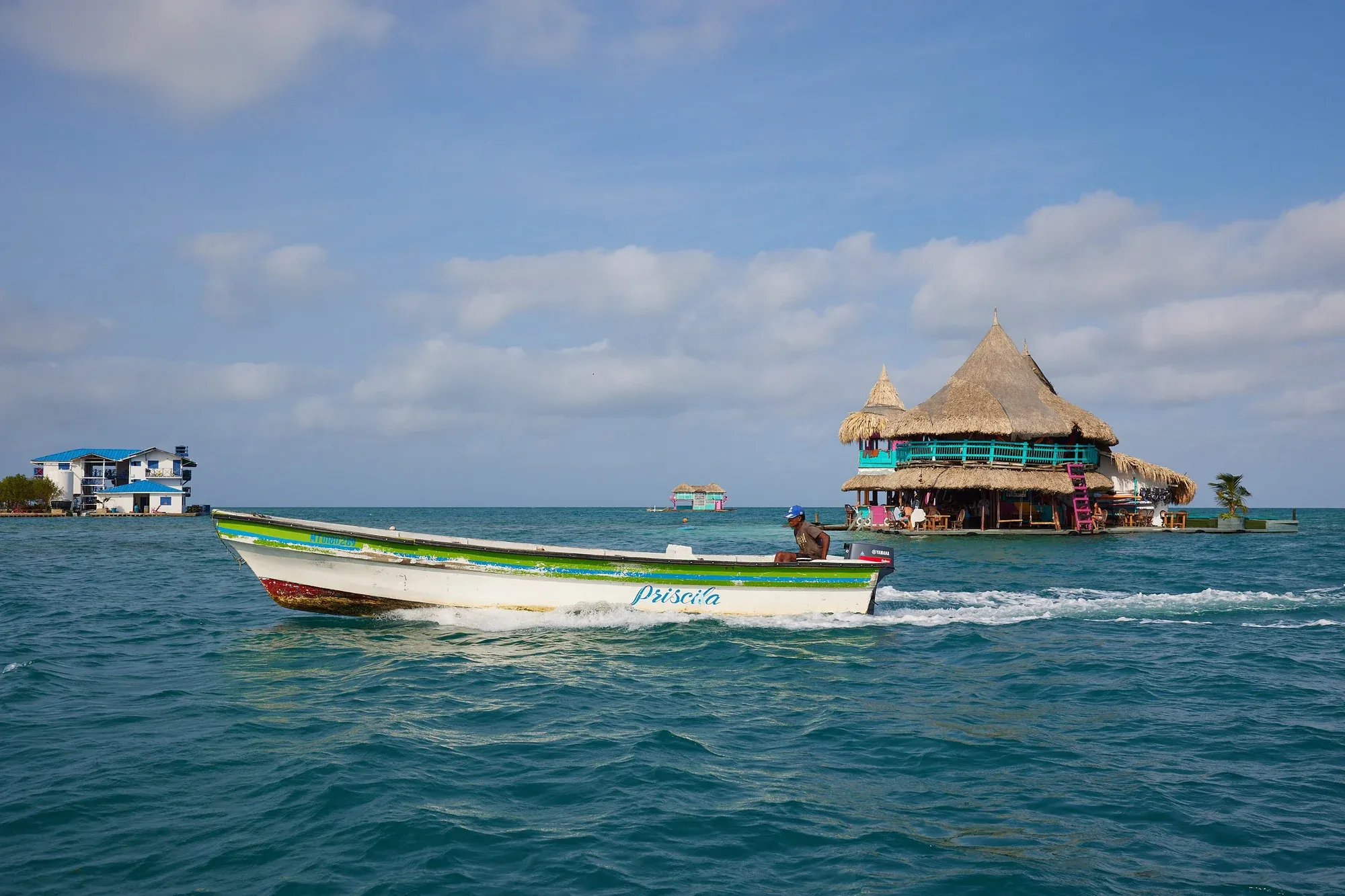
Today we will spend the day exploring the San Bernardo Archipelago. Located in the Morrosquillo Bay of the Caribbean Sea, the archipelago consists of nine coral islands and one artificial island, covering a total area of approximately 213 square kilometers. The archipelago, which is part of the San Bernardo National Park, is also under nature conservation. The tour begins at the port of Cartagena, from where we will set off by speedboat towards the San Bernardo Archipelago. The trip takes approximately 1 hour and 45 minutes.
Our first stop is the coral island of Tintipan, which is only about 2.7 kilometers in diameter. Then we drive to the artificial island of Santa Cruz del Islote, which is one of the most densely populated islands in the world. Santa Cruz del Islote has an area of only 12,140 square meters (almost 200m long and 120m wide), or about 0.012 square kilometers. However, about 1,200 people live on this island the size of two football fields. If we were to describe life on Santa Cruz del Islote in two words, they would be "magical realism". The island has about 97 houses, one school, a port and a restaurant. The economy is based on fishing and services such as cleaning and tourism. Many residents go to work on the surrounding islands. At the same time, Santa Cruz del Islote has a strong community spirit, no violent incidents or conflicts have been reported, and those in need can always rely on their neighbors and the support of the community. On the island, 65% of the population is young and colorful life moves at its own pace. Narrow streets, colorful houses and cheerful residents make Santa Cruz del Islote a unique island in the world. However, there are increasing problems with waste management, sanitation and clean drinking water. Flooding caused by rising sea levels and climate change is also a growing threat.
We then head to the coral island of Mucura, where we can enjoy the white sandy beach and the crystal blue waters of the Caribbean Sea.
In the late afternoon, we head back to Cartagena and drive to our accommodation to rest.
Meals: breakfast
Accommodation: Cartagena Bantu Hotel 4*
A midday flight from Cartagena to Bogota and from there back to Europe.
Flight LH543 Bogota-Frankfurt 23.30-15.55+1
Meals: breakfast
Flight LH884 Frankfurt-Tallinn 20.30-23.55
Cost
The package includes:
- plane tickets
- domestic flights in Colombia
- accommodation in double rooms in 3-4* hotels
- accommodation in a camp during the hike (3 nights) - very basic accommodation with shared washing facilities
- breakfasts
- hike to the Lost City
- meals as stated in the program
- transportation according to the program
- excursions mentioned in the program with a local and Estonian-speaking guide
- entrance fees to the places of interest mentioned in the program
- our tour guide
The Cost Excludes
- accommodation in a single hotel room 745 EUR
- travel insurance
Important information
- plane tickets
- domestic flights in Colombia
- accommodation in double rooms in 3-4* hotels
- accommodation in a camp during the hike (3 nights) – very basic accommodation with shared washing facilities
- breakfasts
- hike to the Lost City
- meals as stated in the program
- transportation according to the program
- excursions mentioned in the program with a local and Estonian-speaking guide
- entrance fees to the places of interest mentioned in the program
- our tour guide
For an additional fee:
- accommodation in a single hotel room 745 EUR
- travel insurance
After booking the trip, we will send you an advance payment invoice, upon payment of which we will confirm your place in the travel group. The advance payment is 1000 euros per traveler. The advance payment will be deducted from the total cost of the trip. We will generally send the final invoice 60 days before the start of the trip. Depending on the specifics of the trip, we may submit additional invoices from the moment of booking the trip under the conditions set out in the travel description – for example, if there is a need to purchase flight tickets earlier, pay for accommodation services, etc.
The amount refunded in the event of a trip cancellation therefore depends on the expenses already incurred for the trip at the time of cancellation. If the traveler cancels the trip more than 60 days before the trip, we will refund the advance payment, minus the office costs (service fee) of 250 euros and, depending on the situation, other non-refundable expenses already incurred for the trip (e.g. flight tickets). If there are 60 days or less until the trip, the advance payment is non-refundable.
Changes to the travel program
As a tour operator, we do our best to ensure that the trip takes place exactly as promised. However, the implementation of the travel program also depends on circumstances that are beyond the control of the tour operator. The tour operator therefore has the right to make changes to the program without prior notice, such as changing the destination or hotel (ensuring the same or better standard as possible), both before and during the trip. We will do this if it is necessary or unavoidable for reasons beyond our control. Please read Albion Travel’s travel conditions: https://albion.ee/reisitingimused.
Entry requirements (as of 25.05.2024):
- Estonian citizens can stay in Colombia visa-free for up to 90 days per year.
NB! Entry requirements may change rapidly. We will send a separate detailed overview to all registered travellers. Each traveller must ensure that their certificates, documents, etc. are valid and meet the requirements of the transit and destination country. Albion will provide information, but as conditions may change rapidly, the final responsibility for compliance with the conditions remains with each traveller. Additional information on entry requirements can be found on the Ministry of Foreign Affairs’ Travel Smart page.
It is the traveler’s responsibility to check with due diligence that the risks that are important to them are adequately insured throughout the trip. Therefore, we ask every traveler to take out the necessary travel insurance for themselves.
Albion cooperates with Salva Kindlustus. The advantage of taking out Salva travel insurance through us is that in the event of an insured event, we, as the tour operator, can submit the necessary documents directly to the insurance company, and the claim handling process is significantly easier, faster and paperless for the traveler. We recommend taking out travel insurance at the time of booking the trip.
When taking out travel insurance, we pay attention to the importance of trip interruption insurance – if the trip is cancelled due to illness or some other insured event, for example, then the travel insurance will cover the cost of the trip up to the amount of the trip interruption. As a tour operator, we often see cases where the travel interruption amount of the travel insurance included with the traveler’s credit card is not sufficient for this (as a rule, it is a maximum of €2,000). In order for the travel insurance to also cover trip cancellations due to natural disasters, civil unrest or strikes, additional trip interruption protection should be ordered separately in addition to the travel insurance.